

Risks are overstated at the moment. You might be thinking “but the VIX is at 15!”. Don’t care. US equities have completed their transition into a different regime, one that I will write in length about in a mainline newsletter soon.
The start of the Iran war in March just happened to coincide with the first enormous upward inflection in revenue for both OpenAI and Anthropic. The improvement in their product over that time was the catalyst. That upward inflection transformed US tech into a huge call option - the optionality of runaway demand for AI providing unlimited upside with little downside.

This has proved more durable than most thought (including myself), but those that were most bullish were caught in the brutal high momentum beta sell-off in August.
The war hasn’t been forgotten - spend some time watching intra-day cross correlations and you’ll still see markets unduly affected by spikes in crude oil. As much as the market says it doesn’t care, it does in the short-term.
This has made oil into something that is more reflexive in terms of its relationship with equities. The VIX is dead as the indicator of risk on US equities because of the change in the underlying distribution of returns (I’m sorry but it just isn’t log-normal anymore, it is some sort of distribution with a fatter right tail as well as a skew in that direction as well).
Oil has become the new VIX. I’m not necessarily saying that oil doesn’t drive risk in equities. It does. But oil has become the asset to hedge a risky portfolio because the threat of all-out war again in the Persian Gulf is the outsized risk to equities where very little business-cycle type macro risks exist anymore.

Most estimates of fair value for WTI seem to be in the $80-90 range. The above is at $90. Rid yourself of any thoughts around the SPR running out or whatever…it just doesn’t matter.
September saw front-month WTI trade as high as $107, a $15-20 premium to “fair”. The entirety of this spread was a risk premium for the shooting getting worse than it already was. It’s not difficult to imagine a situation where a good proportion of oil infrastructure in the Middle East is targeted, and the market prices that.
This is still just a risk premium however; in the same way higher implied volatility or wider credit spreads is. They don’t represent real demand for oil, but financial demand for the exposure long CL futures offer. This distinction wasn’t as obvious in March and April since there was such little visibility on how Asia would keep access to crude oil given that their main artery was apparently blocked. There may have been real demand driving the price then. That is tougher to argue now.
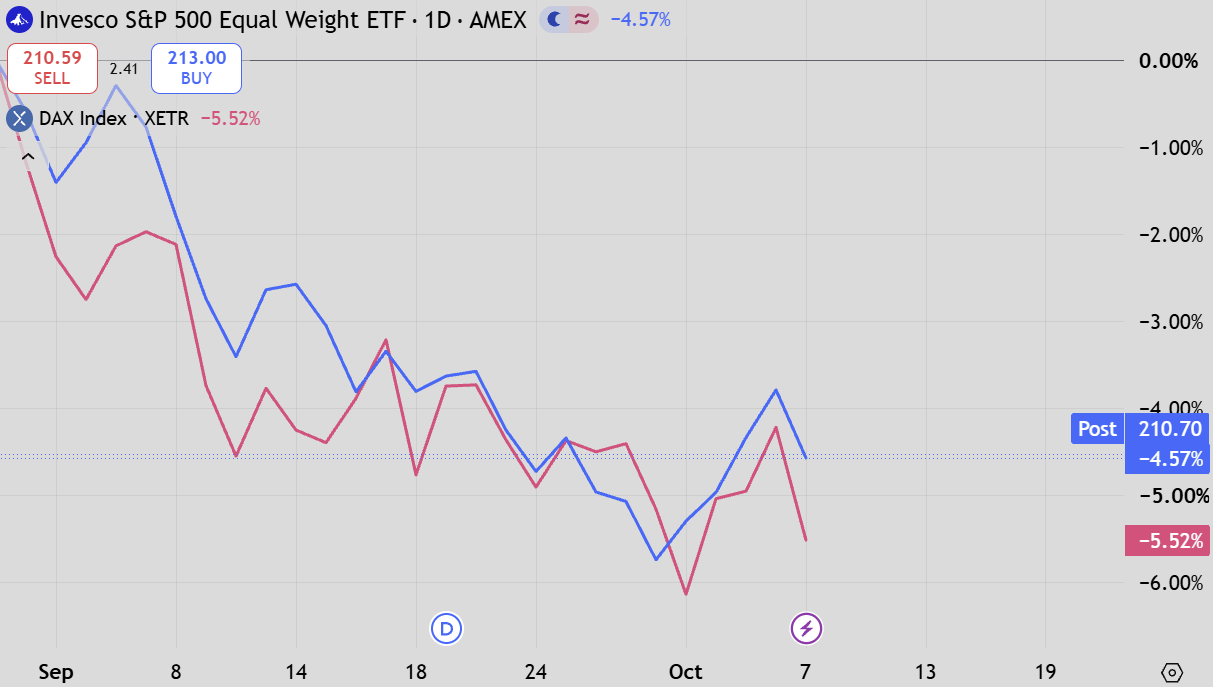
The demand for the financial exposure oil futures offer helped hedge losses across equities from the end of August. Everyone is so US focused and headline indexes had such a small drawdown that some may be confused by this but outside of tech there was a decent drawdown. The S&P500 equal weight index had a drawdown about the same as the German DAX, despite Europe being hit harder with the follow-through of higher bond yields.
The ~30% rally in oil prices hedged your non-tech exposed equities at about 5:1 which has been a fairly static ratio since the war started.
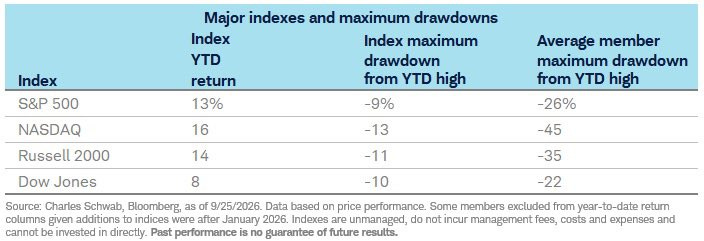
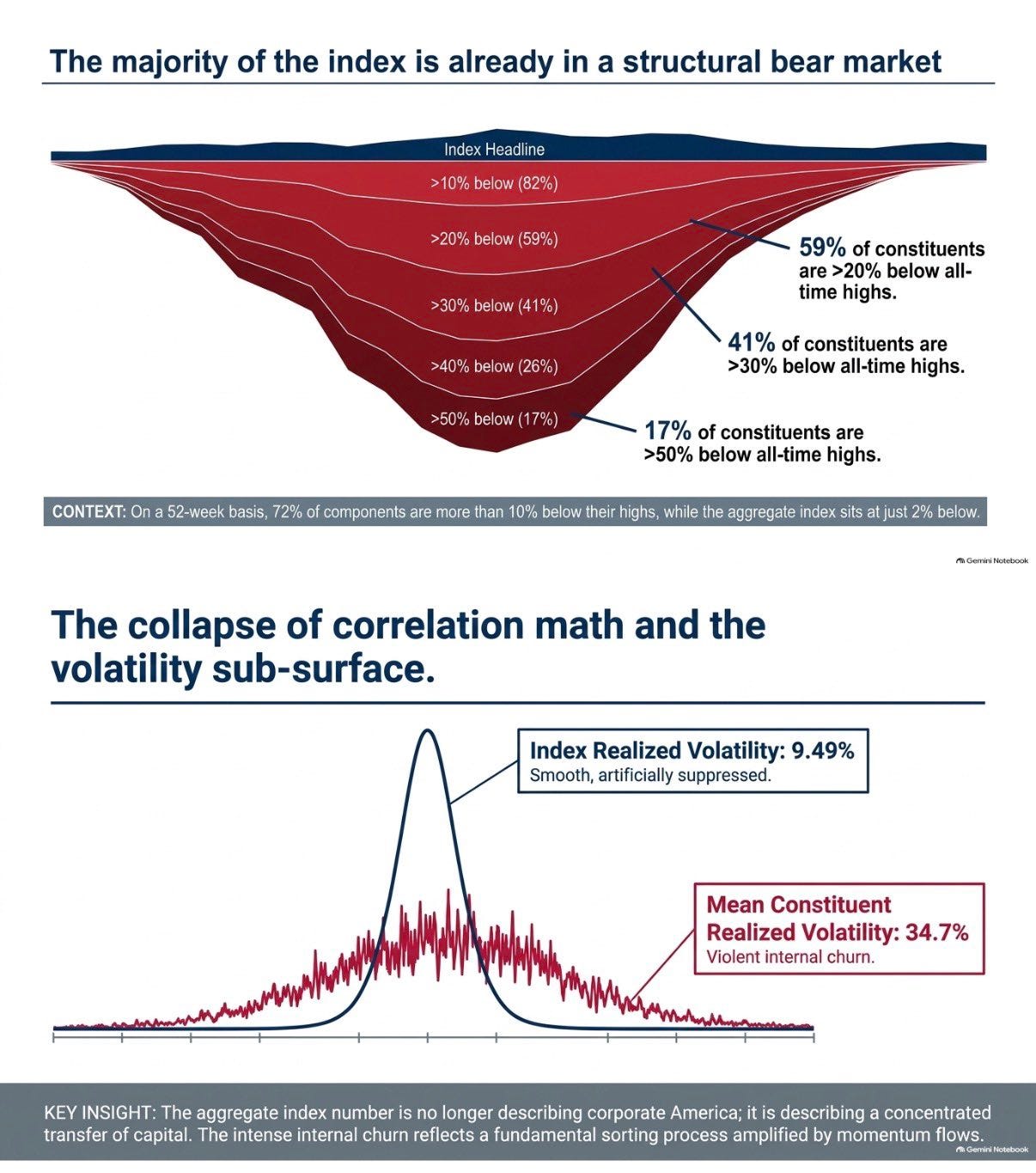
Tech bounced. The rest of the index hasn’t at this point, mostly because bonds carry the echo of the September move in oil.
Bonds can’t and don’t need to rally
There is nothing wrong with where bond yields are at the moment, outside of what has happened to French yields.
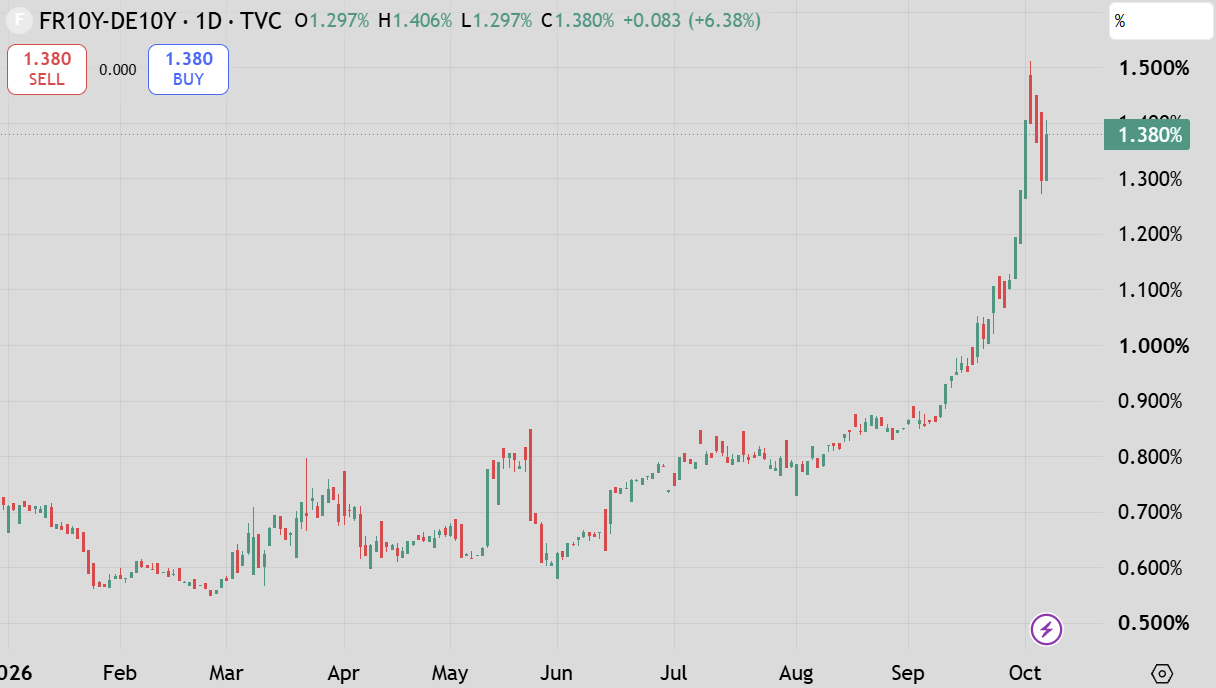
While many have paraded around saying that they picked the dramatic rise in the spread of OATs to Bunds, the fundamental story was in place since the budget was unable to pass, something I wrote about in Charts & Notes a while ago. It was the global move in bonds that prompted the recent widening, something I would say not many picked. I found myself short purely from OATs being part of my trend short in interest rates. Better to be lucky than good sometimes.
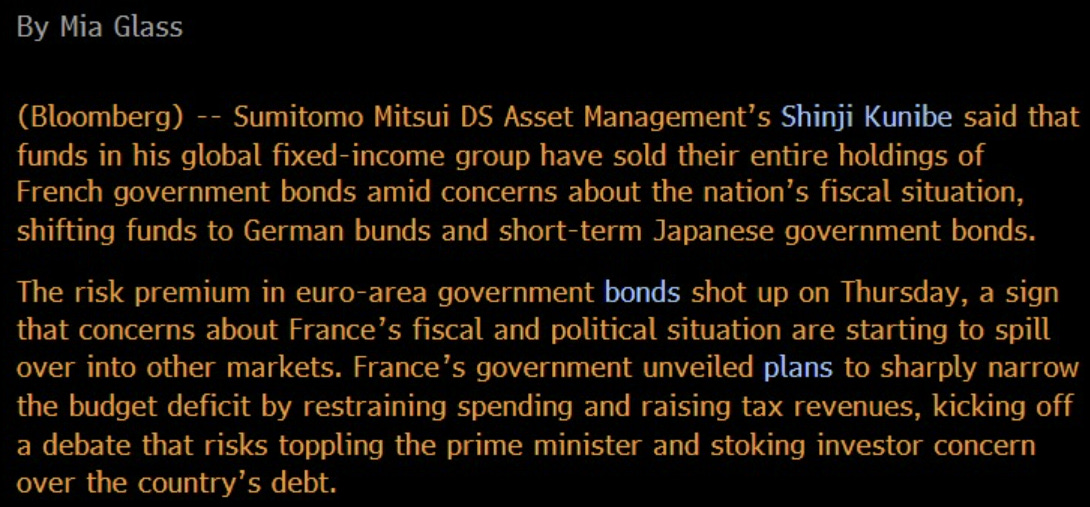
Given the amount of negative sentiment around France’s fiscal and political situation it’s just better to think of their spread to Germany as a high beta play on bond yields in general. OATs will continue to attract oversized selling, with the Japanese reportedly having had enough with this as an exposure.
I don’t think there is a real case for 5y+ bond yields to rally here as I made the case for two weeks ago.
Can bonds ever rally again?

I was planning this piece before the shank in bond yields on the 23rd. After that session which saw the US 10-year up ~16bp and Bunds up ~13bp, I guess more people will be asking the same question as this edition of Charts & Notes poses.
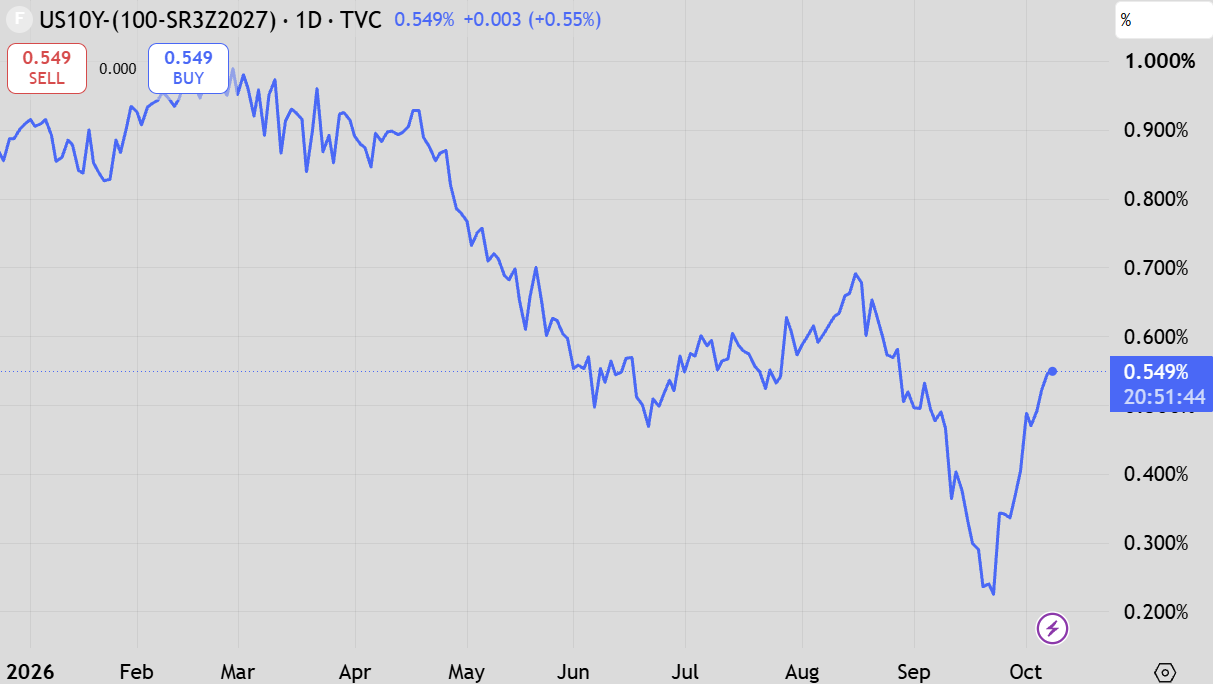
The bull steepening I wanted came almost immediately and I think that trade is mostly done now until central banks really tell us they are taking their foot of the gas on rate hikes. This will come, just not yet.
This leaves long bonds just needing to tread water for bullishness to return to the more beat up sectors of US equities, and other indices with negligible exposure to tech. Static yields won’t fix problems with sectors such as housing, but it’s clear given how risk is reacting to intra-day pops in yields that the worry is still very much there. A sideways market will fix that, and we are heading that way pretty fast. Bonds are flat and trading in a shrinking range over the last 2 weeks. Realised vol will continue to fall as rallies are sold, more aggressively at the back end of the curve than the front end.
Remember: higher yields were driven by real yield increases and not a destabilisation in inflation expectations. Oil may have been the catalyst, but it wasn’t the reason for higher yields being necessary. This is ultimately a good thing, even if the shift creates some ruptures. We will fill the drawdown in stocks ex-tech soon.