

The revolving list of worries for macro assets have driven a pretty awful picture for risk over the last 2 weeks.
Oil/geopolitics → inflation → bond volatility → AI demand “it’s all over” → AI credit stress → …
And round and round we go.
The good news is that seems to be ending, and we are starting to get a better picture of which way risk wants to go, and just as we walk into midterm elections.
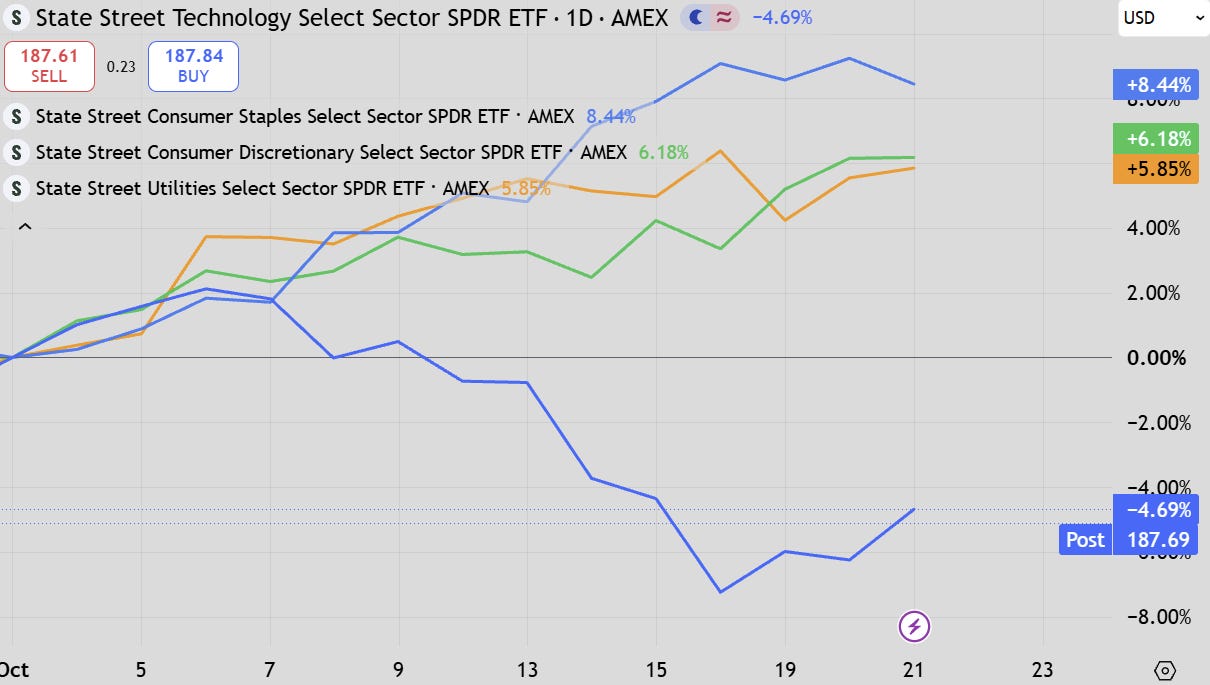
Indeed, most of these sectors bottomed out at the same time.

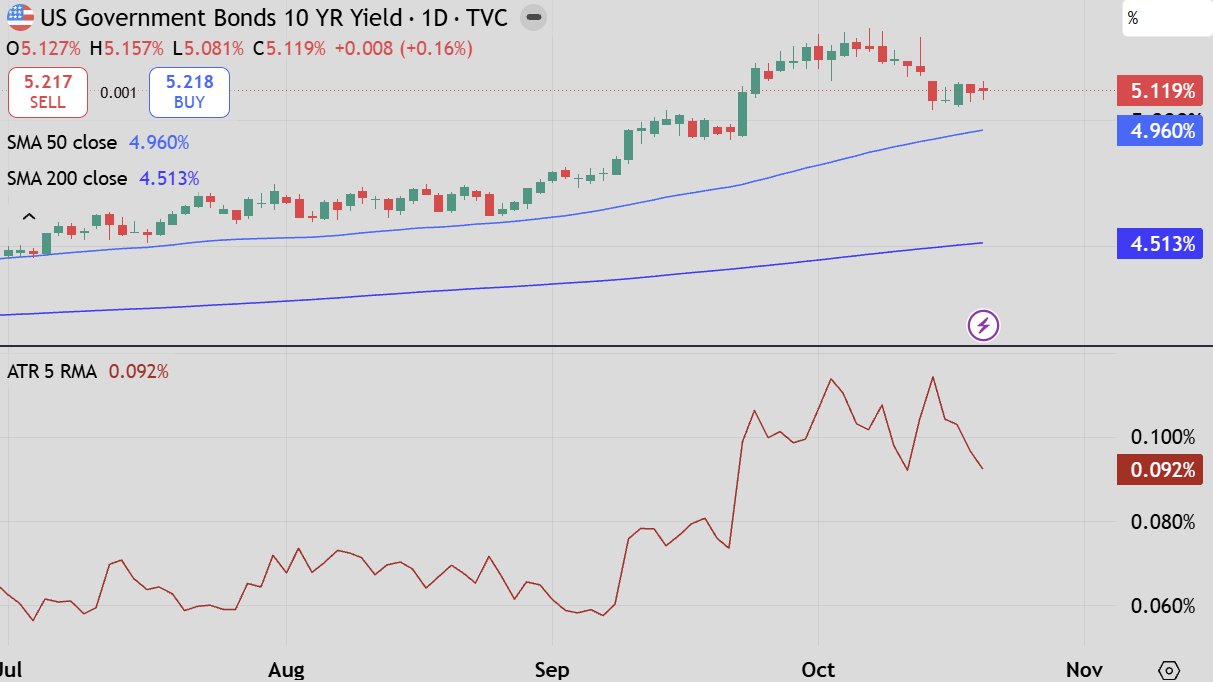
There is no denying that the CPI and PPI numbers from the US last week were bad in the context of the little information the Fed has given about how it looks at it. At >0.3% MoM and the recent past suggesting a run rate of >3% and breadth climbing as in Robin’s chart above makes it difficult for the Fed in any circumstance to avoid pushing this hiking cycle a little faster than expected. Inflation is moving wider than just direct energy related subsectors.
The problem is that we have just short of 4 hikes priced in between now and the end of next year.
This may not sound like much if you have a particularly hawkish view on inflation. This issue is that this is 4 hikes absent a resolution on both the Iran and Russia-Ukraine wars. Fix these and your 4 hikes probably aren’t needed.
If we place a probability on resolution of these wars at 50%, then the curve effectively prices in 8 hikes, or 2% total. If acute stress remains on supply of refined product over this period, 8 hikes might be unavoidable.
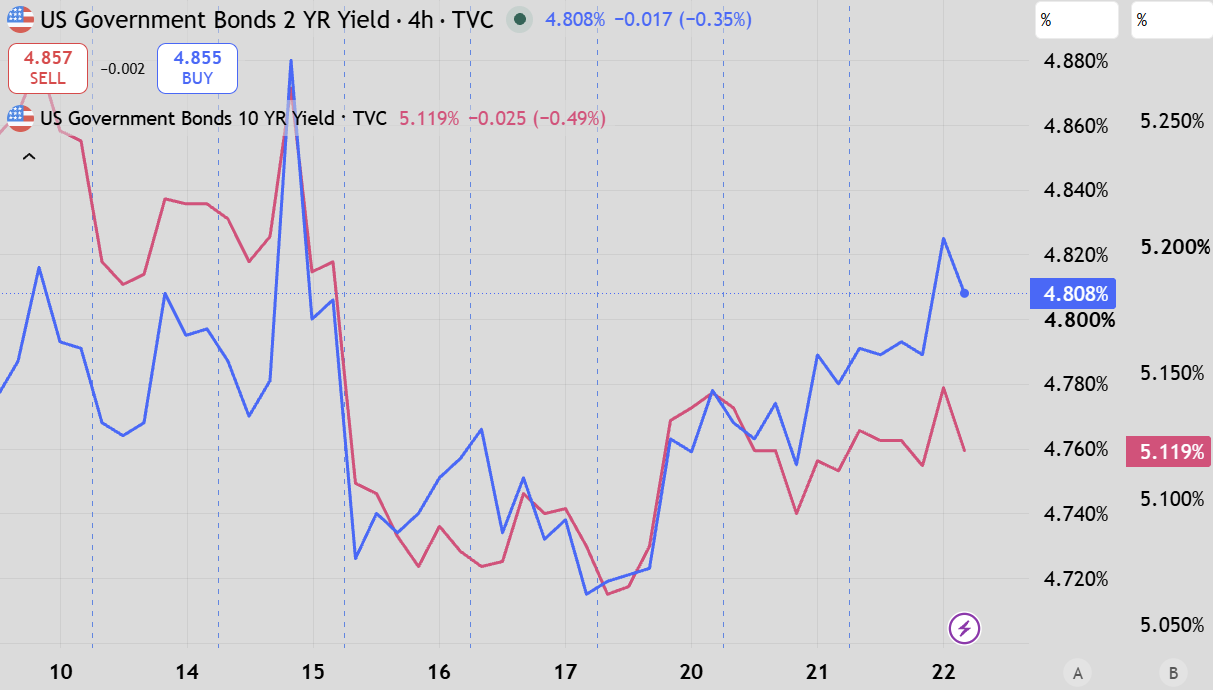
At the moment the market won’t price that outcome. That is why we saw such a big bounce in rates post the inflation number being released. Pricing has gone a long way, and any additional hikes as a result of the war continuing to drag on will happen more gradually than it has at the moment.
For now, however, it’s enough. Don’t get it in your head that bonds will work as a hedge against equities as many suggested on CPI day. They aren’t, and trying to use them that way will only mean you lose money. We are still squarely in a “yields up, equities down” regime.
Bond good, tech bad
US equity trading is a game of “musical chairs” given that it is all based on sector rotation, so this time it has been tech that offset bond-linked equity strength. The sell-off started with the release of Anthropic’s quarterly revenue numbers showing less growth than a bull market wanted.
The market is obsessed with the indication that Anthropic’s revenue numbers mean for AI demand as a whole. I’m not so sure on this.
With the effects of banning distillation, some questionable model rollouts and constant complaints of constrained compute should make the takeaway irrelevant.
But that isn’t the message the market is giving you.
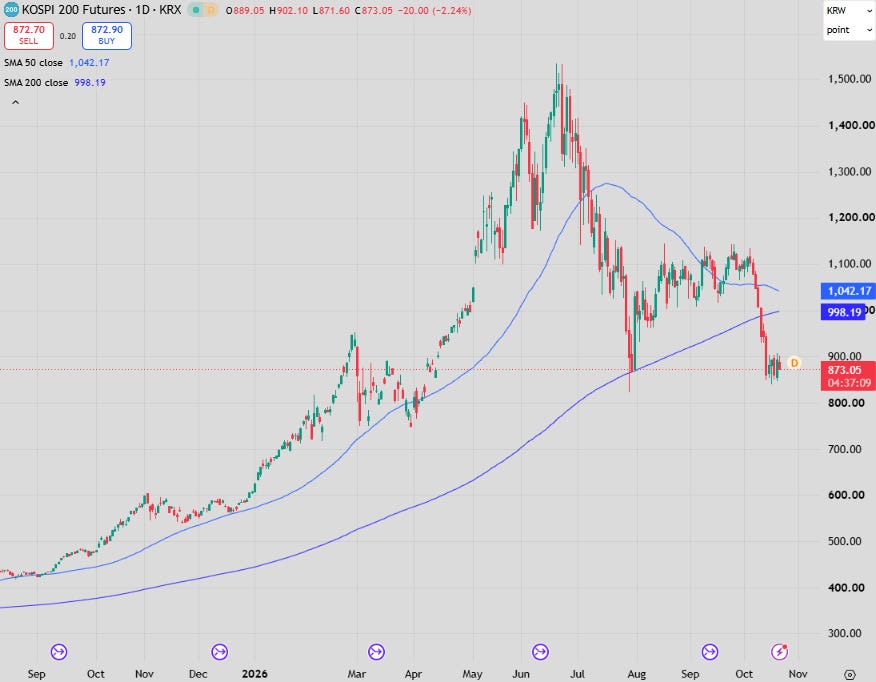
“We aren’t finished trashing with the semis/memory cycle yet” is the message it is telling you, sprinkled in with “bonds are sort of a problem for the levered AI infrastructure plays”.
Both of these things aren’t anything to worry about because it is true that most of what was hit hard in the last 2 weeks are extremely highly leveraged trades.

Coreweave is one spoken about most this week given that its bonds have traded at over 15% yield and it is highly reliant on debt funding to achieve the buildout that justifies its equity valuation.
These are highly speculative and leveraged companies. Expansion of compute capacity within a massive company like Google or Meta dilutes the execution and funding risk associated with the capacity being built not being contracted.
Companies like Coreweave are not only asking you to pretend that execution risk is minimal, but that enormous funding will be obtained without issue and finally that AI demand will make these projects profitable.
This combination of drivers is highly risky and insanely leveraged. There is just so much that can go wrong, even if the demand picture is better than the most bullish expectations. Of course, the upside is enormous too. If everything goes right the margins are large and it’s a profitable venture. But a lot has to go right to get there, and you are at the whim of sentiment when trying to convince people of that.
They aren’t core to what drives the AI trade. If they fail and AI demand is still there, somebody else will pick it up instead. They just don’t matter to the macro picture.
Europe is only now catching up
Where I missed last time around was that I thought that European equities would benefit from falling bond vol as well. This didn’t really happen.
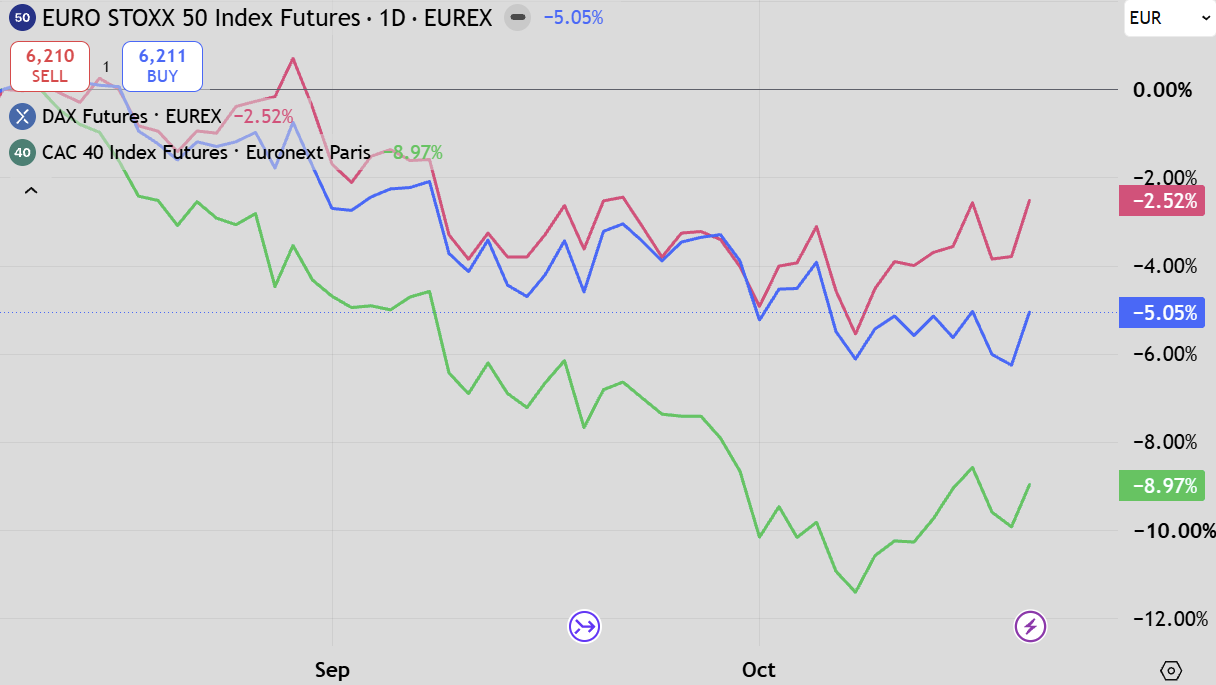
Euro equities are more exposed to the oil price which by the very virtue of being underweight to tech as most markets are. Oil has traded much higher over October, so that is one factor. There has been positive economic news over that time which has stemmed losses, but the drawdown that started in early-August is still in effect. This was when the bonds broke the lower bound of their previous range.
Bonds rallying in Europe are far more important than in the US. The US will just be fine with bonds merely finding a base. In Europe they probably need to rally, with the most important of these being France.
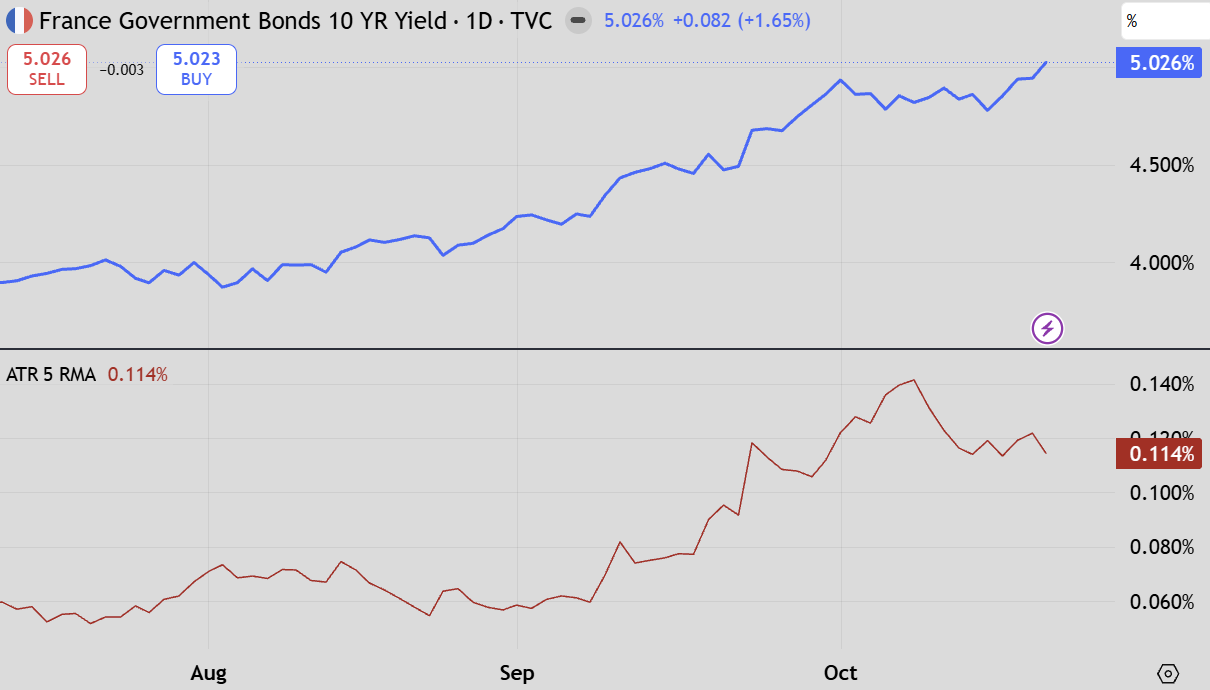
New highs in both absolute yield terms and spread to Bunds. Bond vol peaked in early October, but the ongoing selloff has more than offset the lower vol. They need to find a bottom for anything constructive to happen in Europe.
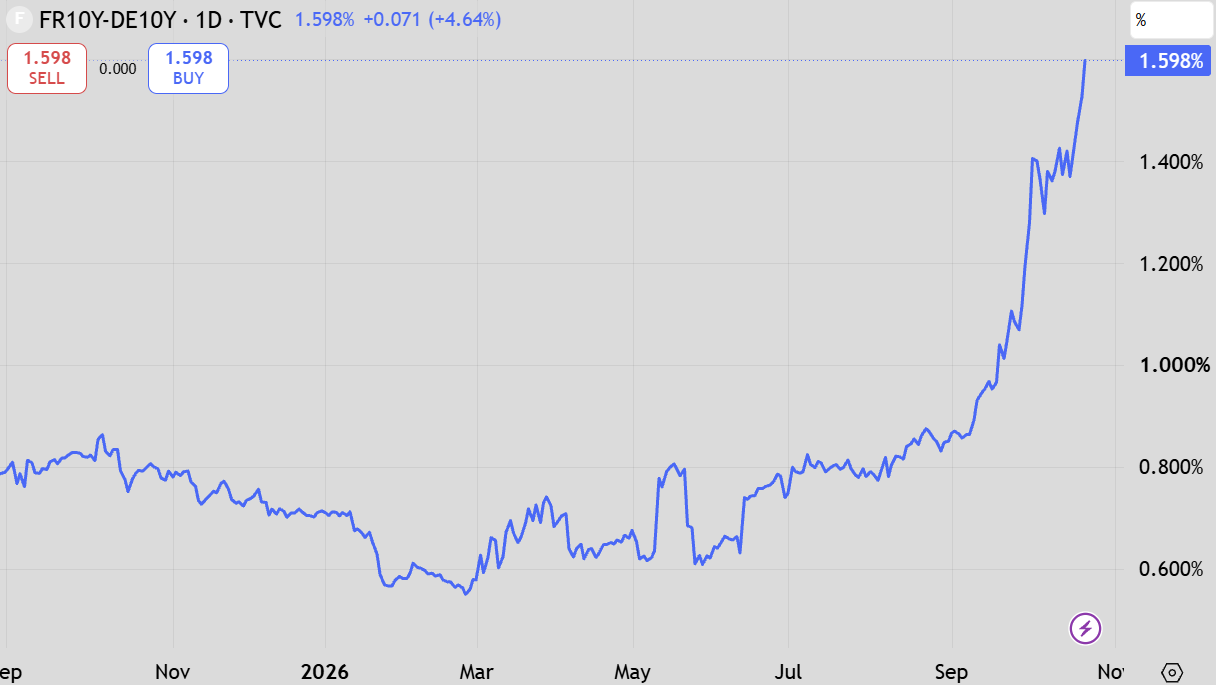
Moves like this are merely an absence of buyers with too many sellers. This may sound stupid, but at this point fundamentals mean nothing. Unlike a corporate entity, you can’t really ascribe a probability of default or loss given default to obtain a “fair value” for the spread.
The “fair value” is wherever the market is willing to absorb the waves of selling. There will be some mix of political words and market level where this will balance itself out. We just aren’t there yet.
It’s all just a mirage
It’s always easy to get lost in macro risks.
Some are easier to ignore (AI funding, Coreweave etc).
Others are a more difficult (inflation, bond yields).
Some are impossible (Iran/France?).
If there is anything 2026 has taught us is that it’s easy to have a view on EPS growth in different markets and expect those markets to perform in line in a given year, but it’s sometimes very hard to appreciate that these gains will only come when the risk picture is at its poorest.
As reminder Euro equities have 15%-20% earnings growth this year, and the US well above 20%. Equity indexes are up nowhere near this amount. The risks are biting, they are just resulting in sideways to slightly down markets.
2026 reminded us that you need to be invested when it’s risky to make what’s on offer. It’s called a risk premium for a reason!
It’s likely that the market is flushing exactly when most expected it to - just before US midterms. Given the picture it’s impressive that the S&P500 is only a few percent from ATHs. Never treat this as a bearish signal. The risks aren’t invisible and this is where pricing is. It’s bullish.